Understanding Organic Linen Sheets: Comfort, Sustainability, and Care
Linen sheets are more than a luxury; they’re a statement about sustainable living, comfort, and longevity. Crafted from certified organic flax, linen fibers bring a natural breathability and temperature regulation that can transform your sleep experience. This guide explores how organic linen compares to cotton and other natural fibers, why sustainability matters in bedding, and practical care tips to maximize the life of your linen sheets.
In a world increasingly mindful of materials, linen stands out for its historical roots and modern resilience. From ancient civilizations to contemporary bedrooms, linen has been valued for its ability to stay cool in heat and warm in cool weather. When linen is organic, the story becomes even more compelling: fewer pesticides, lower chemical loads on your skin, and a product that often carries a lower environmental footprint across its lifecycle.
The Linen Advantage. Linen fibers, derived from the flax plant, have a natural breathability that helps regulate body temperature. This makes linen sheets especially appealing to warm sleepers or those who share a bed with a partner who runs warm. The fabric’s structure—loose weave and natural irregularities—contributes to a tactile, textured hand that many sleepers find comforting and luxurious.
Comparisons matter in the bedding aisle. Organic linen sheets typically sit alongside organic cotton, Supima cotton, and other natural fibers. Linen’s moisture-wicking properties and durability often give it an edge in longevity, while cotton offers a softer hand right out of the box. The choice between linen and cotton often comes down to climate, sensitivity, and preferred feel. For advocates of vegan and eco-conscious living, organic linen aligns with principles of chemical-free farming and responsible textile production.
Key Facts
- Organic linen sheets are typically made from flax grown without synthetic pesticides or fertilizers.
- GOTS certification on linen sheets signals organic fiber processing and ethical production standards.
- Linen fibers are known for natural moisture-wicking, temperature regulation, and long wear.
What Makes Linen Naturally Breathable and Moisture-Wicking?
Linen’s breathability is rooted in its fiber structure. Flax fibers have hollow cores that enable air to move through the fabric, delivering natural ventilation. This micro-architecture allows linen to absorb moisture away from the skin and release it into the surrounding air, keeping you drier during warm nights. The result is a sleep surface that feels fresh and less clingy, even as temperatures rise.
For warm sleepers, the sensation can be transformative. Linen sheets don’t cling the way many cotton blends do, creating a light, breathable layer that can help maintain a consistent body temperature through the night. For those in more temperate climates, linen still offers comfortable coolness in summer and a degree of warmth when the temperatures drop—an attribute often described as “year-round practicality.”
Shopping for Organic Linen Sheets: What to Look For
When evaluating linen sheets, the vocabulary matters as much as the fabric. Below are practical criteria to guide your choice:
- GOTS Certification: Ensures organic flax farming practices and responsible processing for the finished textile. This certification minimizes the risk of harmful residues and reinforces ethical labor standards.
- Weave and Weight: Linen sheets come in percale-like weaves or looser, more textured weaves. A lighter weight feels crisp, while a heavier weave tends to drape with a luxurious heft. The acceptable range varies, but linen tends to age gracefully and develop a softer hand over time.
- Color and Finish: Expect a natural, slightly wrinkled surface. Stone-washed linen sheets offer a softer hand early on and a muted drape that many sleepers find appealing.
- Thread Count Myths: Linen isn’t measured by thread count in the same way cotton is. Look for fiber length, weave, and finishing methods rather than chasing an arbitrarily high thread count.
- Care Requirements: Linen benefits from gentle washing and line drying or low-heat tumble drying. Ironing is optional; many sleepers prefer the natural texture and character of linen as it softens with each wash.
Care, Longevity, and Practical Strategies
Longevity is a hallmark of linen. With proper care, organic linen sheets can outlive many cotton counterparts, resisting pilling and maintaining a crisp feel for years. Here are practical routines to maximize longevity:
- Wash in cold to warm water with a mild, plant-based detergent. Avoid harsh bleaches or fabric softeners that can leave residues and diminish the fabric’s natural texture.
- Use a gentle or delicate cycle to minimize stress on the fibers. Linen tolerates agitation, but gentler cycles preserve the fabric's integrity.
- Prefer line drying when possible. If you use a dryer, opt for a low heat setting and remove promptly to reduce wrinkling.
- Avoid high-heat ironing; if needed, use a warm iron on the linen setting to smooth out creases without weakening the fibers.
- Store linen sheets in a dry, cool place. A breathable cotton bag helps maintain freshness and prevent mustiness over long storage periods.
A Look at Related Bedding: Linen Versus Supima Cotton Sheets
Supima cotton, grown in the United States, is celebrated for its long-staple fibers, which yield superior strength and a smoother surface. Supima sheets often feel notably soft from the first night, with a refined sheen and resistance to pilling. In comparison, linen breathes more dramatically, offering a cooler feel in hot climates and a subtle texture that many sleepers associate with a grounded, natural aesthetic.
The decision between organic linen and Supima cotton often hinges on climate, sensitivity, and the desired tactile experience. If you crave a crisper, more breathable surface that softens gradually, linen is an excellent choice. If you prefer immediate softness and a velvety, consistent hand, Supima cotton—especially when organic—delivers a lush, low-maintenance option.
A Brief, Time-Traveling Perspective: Three Key Figures Across Time
The conversation around textiles, comfort, and sustainability has deep roots in history. Here are three pivotal figures from distinct eras who, in their ways, shaped how we think about fabric, comfort, and ethical living:
-
Charlemagne (c. 742–814) — The Carolingian empire’s reach extended beyond policy into daily life, where durable, natural materials were favored for both practicality and modesty. Linen, among other fibers, carried the legacy of everyday luxury and resilience that would echo through medieval households.
-
Levi Strauss (1829–1902) — Though best known for denim, Strauss’s era embodied mass production and the modern wardrobe’s rise. The shift toward regionally produced, natural fiber fabrics paved the way for the modern bedding marketplace, including a growing interest in textiles that balanced performance, durability, and ethical considerations.
-
Malala Yousafzai (1997– ) — A contemporary voice championing education, rights, and a future shaped by informed choices. The modern consumer’s demand for sustainable, transparent supply chains—across textiles and beyond—reflects the ethical thread running through current linen standards and organic farming practices.
Product Spotlight: Naturepedic Ultra Breathable 2-Stage Organic Crib Mattress
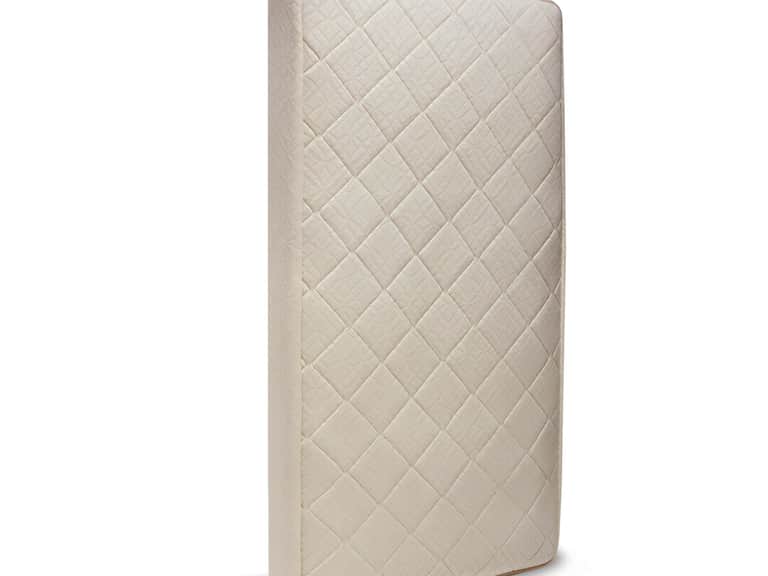
While this article centers on linen sheets, the broader veganpedic ethos recognizes the importance of safe, organic sleep environments for every family member. A standout example from the Naturepedic range is the Ultra Breathable 2-Stage Organic Crib Mattress. This crib mattress embodies the marriage of safety, sustainability, and thoughtful design that resonates with our emphasis on non-toxic, ethically produced sleep surfaces.
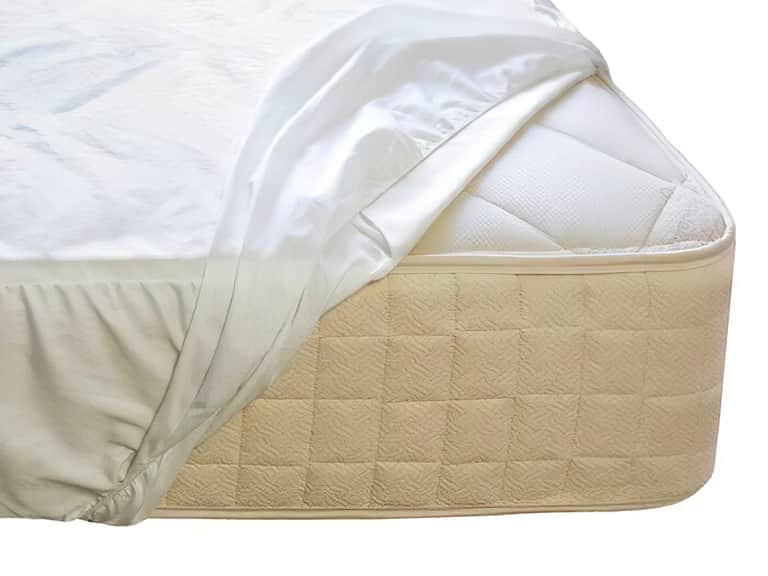
The mattress features two stages to accommodate a growing child and a waterproof outer surface that’s easy to clean. A breathable mattress pad on top promotes air circulation for day-to-day comfort, while the interior construction is designed to reduce moisture and mold risk—an essential consideration for a baby’s safe sleep environment.
Made without wool, latex, or soy, and built with organic cotton and a fire barrier system that remains non-toxic, the Ultra Breathable 2-Stage Mattress embodies the brand’s commitment to chemical-free, durable products designed with families in mind.
Product image available on product page
Note: Images are displayed in the product sidebar on the site; inline visuals are not embedded here but the product details are provided for context.
Why Organic Linen Fits the Veganpedic Promise
The term veganpedic implies a commitment to healthful sleep environments free from animal products and harmful additives. Organic linen sheets align with this promise in multiple ways:
- No animal-derived materials or byproducts are used in organic linen production, aligning with vegan principles.
- GOTS-certified linen ensures ethical processing, including safe dyeing and chemical management, reducing exposure to skin and respiratory sensitivities.
- Durability and low environmental impact support a sustainable lifestyle, minimizing waste and maximizing the lifespan of床 linens.
Seasonal Guidance: Linen for Year-Round Comfort
Linen’s versatility makes it an appealing choice across seasons. In summer, the fabric’s breathability and moisture management keep you cooler at night. In winter, linen can still offer comfort when layered with warmer blankets, as its natural fibers help manage humidity without trapping heat. For year-round bedding strategies, combine linen sheets with a breathable duvet or a light-weight comforter. The result is a sleep environment that remains comfortable across fluctuating temperatures.
Conclusion: A Natural Path to Restful Sleep
Organic linen sheets represent more than a surface choice—they embody a philosophy of mindful production, skin-friendly fabrics, and durable, long-lasting materials. As the bedding landscape continues to expand with innovative certifications and transparent supply chains, linen provides a timeless option for those seeking a cooler, crisper, and more sustainable night’s rest. Whether you’re a warm sleeper seeking breathability or a conscientious shopper prioritizing organic farming practices, linen sheets deserve a thoughtful place in your veganbedic journey.
Recommended Products to Explore
Naturepedic Organic Linen Sheets
Certified organic flax linen sheets with a durable, breathable weave. Natural texture, year-long comfort, and a commitment to chemical-free farming.
Naturepedic Supima Cotton Sheet Sets
Long-staple Supima cotton for a silky hand, enhanced softness, and resilient wear—an excellent complement to linen for mixed-season layering.
Disclosure: The featured product example is included to illustrate practical relevance within a vegan, organic bedding context. Availability and images are subject to retailer presentation.