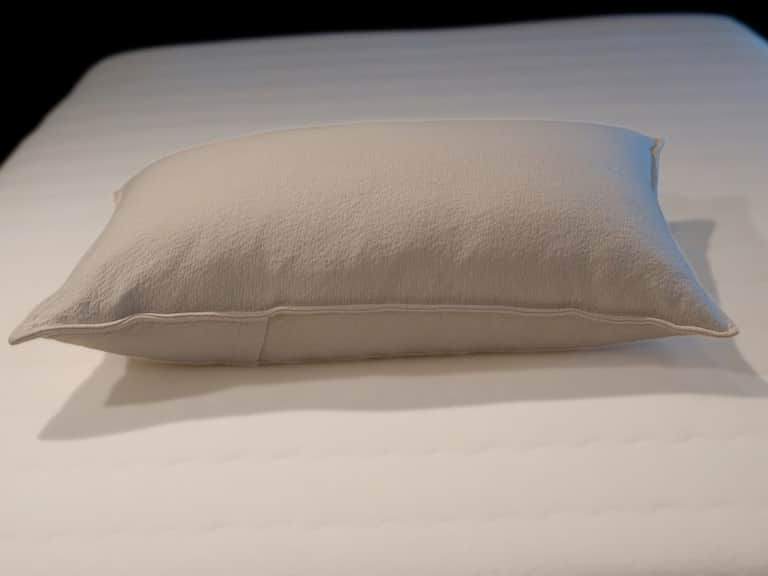
Wool is a versatile natural fiber commonly used in bedding for its temperature regulation, breathability, and moisture-wicking properties. In this category, wool products provide a breathable barrier that helps maintain comfortable sleep temperatures and reduce overheating. Understanding the distinctions between organic wool and treated fibers supports informed choices for bedding, pillows, and nursery needs.
Key features of wool bedding include flame resistance, durability, and hypoallergenic characteristics when sourced from certified organic suppliers. Wool fibers naturally wick away moisture, promoting a drier sleeping surface. For nurseries, wool components can offer gentle, temperature-stable environments that are suitable for infants and young children when carefully selected.
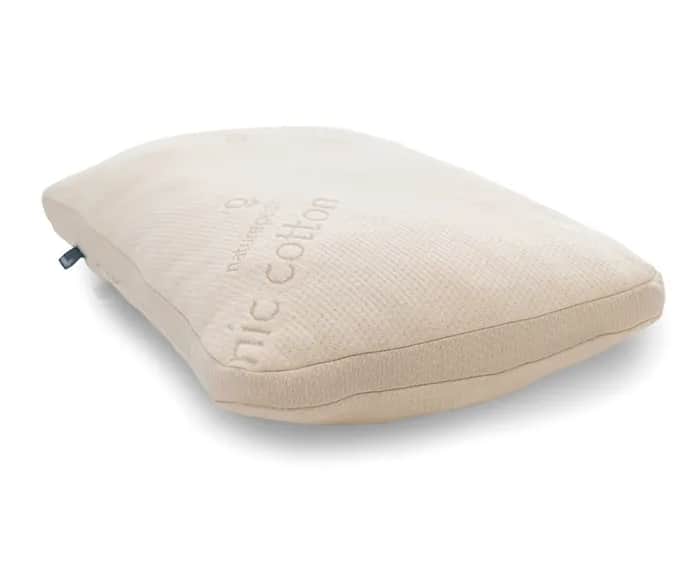
The Naturepedic Organic Wool Pillow exemplifies how wool can support neck alignment and pressure distribution while maintaining a comfortable loft. Its organic composition minimizes chemical exposure, and the pillow’s structure helps with steady support throughout the night. This type of pillow is often favored for its durability and natural odor resistance.
The Healthy Choice Organic Wool Pillow emphasizes sustainable sourcing and ethical production alongside practical comfort. Its wool fill provides resilience and a balanced feel, with natural ability to maintain shape over time. This pillow can contribute to improved sleep quality by offering consistent support without excessive heat retention.
When evaluating wool for bedding, consider factors such as fiber origin, fiber processing, and fill weight for pillows, as well as compatibility with organic sheets and latex-free options. In nursery contexts, wool can pair with breathable mattress covers and certified organic bedding to support a safe, comfortable sleep environment for infants and growing children.
 Bedding